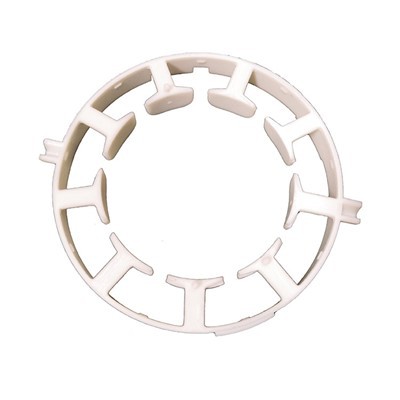
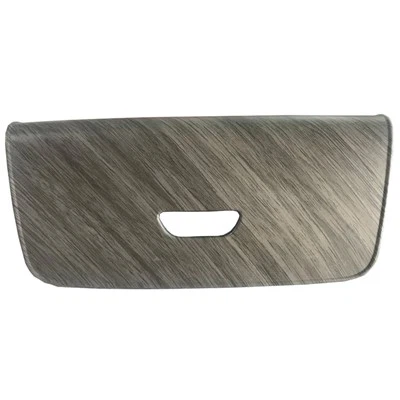
Injection Molded Dishwasher Housing
The dishwasher molds we produce are made of materials such as S136 and 2316. The current injection molding process type is injection molding, and the installation method is mobile molds. Nitriding treatment is used for mold post-processing, and tempering and quenching are used for mid-term processing to improve its surface hardness. The life of dishwasher molds is not less than 700,000 molds under normal use, and it has a wide range of applications. Auto-CAD, UG and other software are used for mold design.
Our molds and product quality system are ISO9001 certified.

Injection Molded Dishwasher Housing

Custom Factory Price Injection Dishwasher Housing Mold
Polypropylene PP plastic. Usually, dishwashers and their dishwasher accessories will choose polypropylene PP plastic.
Characteristics of polypropylene PP plastic:
1. Low density (specific gravity 0.9~0.91), translucent, semi-crystalline. Harder than PE and has a higher melting point.
2. Homopolymer PP has good fluidity and poor toughness. Copolymer PP has poor fluidity and good toughness.
3. Large shrinkage rate, 2.0~2.5%. Fillers such as calcium carbonate can be added to reduce shrinkage.
4. Good thermal stability, temperature can be set within a wide range, and can be used as a resin cleaning agent.
5. Not resistant to UV rays. Not impact-resistant at low temperatures (10% POE can be added to increase low-temperature toughness)
Injection Molded Dishwasher Housing
Most dishwasher shells are made of plastic or stainless steel. First, the mold design is required to produce the corresponding cavity and lining, then injection molding or compression molding, and finally subsequent cutting, grinding, surface treatment and other processes.
The internal structure includes water pumps, filters, water spray holes, electronic controllers and other parts, which need to be assembled accurately and waterproofed to ensure that water does not penetrate into the electrical parts to avoid malfunctions.
After the internal structure is assembled, the entire machine needs to be assembled. This step requires the connection of various parts, the addition of lubricants, the connection of circuits, and finally testing to ensure that the entire machine works properly.