Personalized Automobile Mold Making
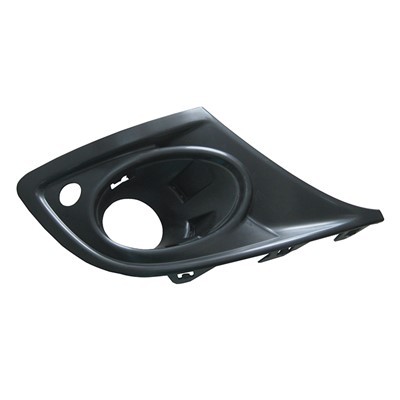
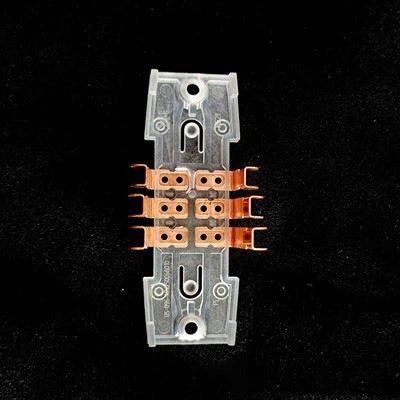
Injection molds for automobiles play a vital role in automobile manufacturing and are widely used in the production of automotive interiors, exteriors, accessories, and cooling systems. The design and manufacture of these molds involve many aspects, including material selection, mold structure design, manufacturing process, and quality control.

Commonly used automotive plastic mold material types
1. Aluminum mold
Aluminum mold is a lightweight mold type with fast heat conduction and short production cycle. It is widely used in the production of automotive plastic molds. It is usually used for mass production of low-cost plastic parts, small plastic parts, and high-precision transparent plastic parts.
2. Steel mold
Steel mold is a durable, strong and stable mold type even at high temperatures. It is usually used to produce large plastic parts, high-performance plastic parts, and wear-resistant injection molds with excellent heat resistance, hardness and corrosion resistance.
3. Copper mold
Copper mold has good thermal conductivity, high precision and high surface quality, and is a suitable material for producing high-precision injection molded parts. But the manufacturing cycle is long and the cost is relatively high.
4. Plastic mold
Plastic mold is a mold specially designed and manufactured for the production of plastic parts. Made of plastic polymer materials, it has a short manufacturing cycle and relatively low cost. But its service life is short and it is only suitable for mass production of low-cost plastic parts.
Advantages and disadvantages of various materials
Depending on different scenarios and requirements, using different materials to make automotive plastic parts molds has different advantages and disadvantages. Here are some key points:
1. Aluminum mold
Advantages: short production cycle, low cost, suitable for mass production of low-cost plastic parts, small plastic parts, high-precision transparent plastic parts.
Disadvantages: low strength, easy to deform, short service life.
2. Steel mold
Advantages: durable and strong, suitable for manufacturing large plastic parts, high-performance plastic parts, wear-resistant injection molds.
Disadvantages: long manufacturing cycle and high cost.
3. Copper mold
Advantages: good thermal conductivity, high precision, good surface quality.
Disadvantages: long manufacturing cycle and high cost.
4. Plastic mold
Advantages: short manufacturing cycle and low cost.
Disadvantages: short service life, only suitable for mass production of low-cost plastic parts.