Company Profile
Qingdao Root Industrial and Trading Co., Ltd. Was founded in 2008 year, we are committed to provide one-stop custom plastic solution from product design, mold manufacturing, precision machining service and mass production, our molds and products are widely used in Automotive, home appliances, electronics, medical and other industries. We provide secondary processing such as PVD chrome, painting, printing, hot stamping, ultrasonic welding and assembly of plastic parts. Rootsino have our own affiliated factories, occupies an area of more than 3000 square meters; and passed ISO9001 and TS16949 certification, The design team engages in UG, CAD, CAE and CAM design and formulation using computer software programs. They use CAD programs to generate 2D blueprints, UG to made 3D designs, use CAE simulation to identify the optimal fabrication pattern, and then generate CAM computer simulation.
Why Choose Us
Professional Team
Now we have more than 80 employees, 20 of them are experienced engineers in CAD, CAE, CAM skills. Injection department have 28 people.
Advanced Equipment
The existing CNC machine tools, coordinate detection system and various kinds of machine tools are more than 20 units, more than 2000 square meters factory mold.
Company Certificate
In order to better development, our company passed ISO9001 and TS16949 certification.
Rich Experience
With the fast feedback, improved design service, most secure on customer's design, most energy-efficient solution offer, reasonable cost, free mold maintenance when parts injection at our side.
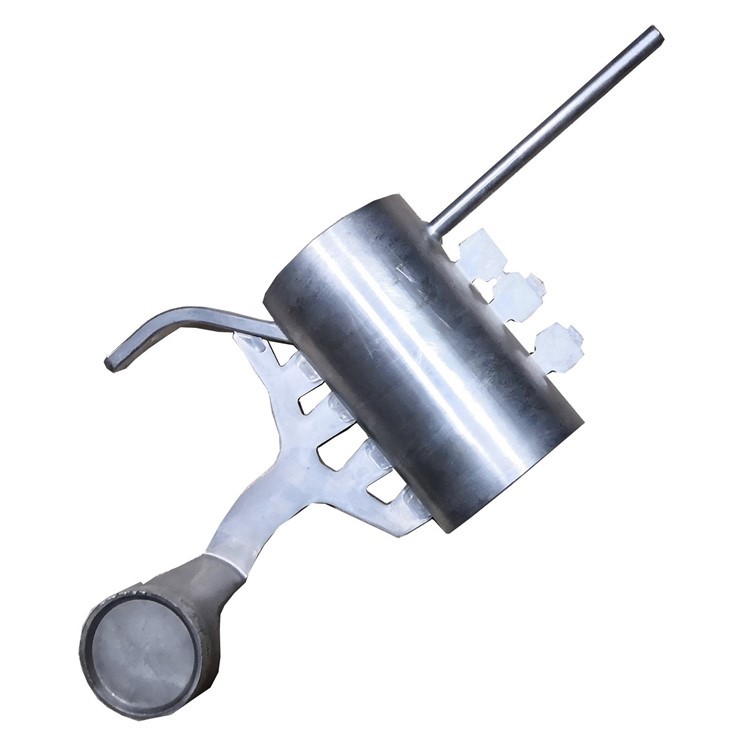
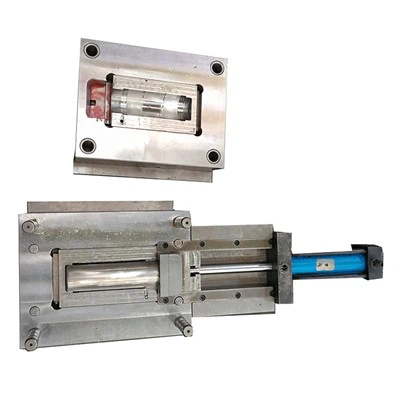
Smooth Metal Aluminum Alloy Die Casting
Aluminum alloy die-casting products are mainly used in electronics, automobiles, motors, home appliances and some communications industries.

OEM Metal High-Precision Die-Casting Wheel Mold
Customized injection molded wheels can meet the diverse requirements of customers and enhance their competitiveness in the market.

Black Rubber Corner Protector For Luggage
Black rubber corner protectors for luggage are a popular accessory for many travelers. These protectors are designed to shield the corners of your luggage from damage during travel, when you're carrying it by hand or checking it in.

The luminous safety rubber band is a safety accessory designed to enhance visibility and ensure your safety in various low-light or dark conditions.

Plastic Top Cap Mould For Bottle
Plastic top cap molds are used to manufacture plastic top caps or closures that are commonly found on bottles, jars, and containers. These caps are designed to seal the contents of the container, preventing leakage, contamination, and ensuring product freshness.
What is Plastic Top Cap Mould For Bottle
Plastic top cap mould for bottle can be officially defined as a closure device whose purpose is to ensure that the contents of a container stay within that container until they are ready to be used. The exterior of the cap is usually textured rather than smooth to make it easier to open and typically have a lip at the bottom of the cap.
The bottle cap lid assembly often includes what is known as a wad between the contents of the container and the bottle cap itself. There are various types of wad, and they can provide different levels of protection for the contents of the bottle as well as different types of tamper evident sealing. There may also be an exterior tamper evident ring that breaks once the bottle cap has been removed from the container.
Benefits of Plastic Top Cap Mould For Bottle
Multi-cavity point
Plastic bottle cap molds have mature technology from 4 to 32 cavities, simplified hot runner work, and low cost.
High efficiency
The plastic bottle cap mold adopts a simplified dispensing hot runner, no glue mouth waste, and the cycle reaches 5 seconds.
High life expectancy
The cavity of the plastic bottle cap mold is made of high-quality mold steel, and the guide post and guide sleeve of the mold are lubricated without oil, which has the strong advantages of no pollution and a service life of up to ten million times.
The blade is specially designed
The unscrewing ring knife edge of the plastic bottle cap mold adopts a split structure, which can make the blade not deformed, the positioning is accurate, the replacement is easy, and the mold is closed without pressure. defect.
Relatively standardized
Plastic bottle cap molds have relatively complete and unified quality standards and caliber parameters, so the production of bottle caps is relatively standardized. It can be said that the plastic bottle cap mold determines the shape and quality of the product.
Which can reduce the labor intensity of workers
Each cavity of the plastic bottle cap mold is independently self-locking, which can ensure the concentricity of the mold, and the excellent cooling system can achieve high efficiency of normal temperature water cooling, and no need to cut the gate, which can reduce the labor intensity of workers.
Material of Plastic top Cap Mould for Bottle
Materials used for making bottle caps
Bottle caps are mostly made of plastics. They may also be made of metal. The material for the manufacture of bottle caps is chosen based on its usage and type of bottle/container. The properties like strength, flexibility, durability, inertness to liquid compositions and moisture resistance are considered carefully before being chosen for an application.
Plastics
The plastic caps are usually made of Polyethylene Terephthalate, Polypropylene, Low-Density Polyethylene, High-Density Polyethylene, Polyvinyl Chloride, Polystyrene and Polycarbonate.
Polyethylene Terephthalate (PET) is non-toxic, light in weight, strong and durable, environmentally friendly and recyclable. It is used in plastic bottles that package carbonated beverages, mineral water, dairy beverages, juices, edible oil, etc.
Metals
The metal caps are usually made of steel and aluminum. They have a wide range of temperature tolerance and are resistant to fracture from impact. The steel caps are usually coated with an anti-corrosive coating of chrome plate or tin plate. Other materials like plastisol, pulp/aluminum Foil, or solid PE (polyethylene) are also used.
Liners
These coatings applied on the caps are referred to as liners. The liners are chosen based on the product's nature and may specifically be used for moisture barrier, chemical resistance, safety, or prevention of leakage. The different types of liners are 3-ply foam, polyethylene foam, pressure-sensitive foam liner, induction liner, polyvinyl, poly seal, Teflon PTFE, foil and plastisol.
3-Ply foam liner is made of compressible polyethylene foam with a layer of polyethylene film. They have excellent sealing characteristics, good chemical resistance, good taste and odour resistance and low water vapour transmission rate.
Plastic cap molds are widely used in many fields. It is mainly used to produce various plastic caps, which play an important role in different industries and scenarios.
Food and Beverage Industry: Plastic bottle caps are one of the most common applications for plastic cap molds. These bottle caps are used to seal various food and beverage containers, such as beverage bottles, food cans, etc., ensuring the freshness and safety of the product.
Chemical and pharmaceutical industries: In these industries, plastic cap molds are used to manufacture various seals and caps to ensure the safety and hygiene of liquid or semi-solid products.
Household and daily necessities industry: Plastic lid molds are also used to produce lids for various household items, such as detergent bottles,cosmetic bottles, etc.
Automotive industry: Many parts inside and outside automobiles are manufactured using plastic injection molding technology, including fuel tank caps, engine component covers, etc.
Electronics industry: Switch panels, socket covers, water pipe covers, etc. of electrical equipment are also important application areas for plastic cap molds.
How to do high quality plastic bottle cap molds


Design of plastic bottle cap molds
Use CAD software to create detailed and accurate 3D designs that ensure compliance with required cap specifications.
Pay attention to the dimensions, tolerances and features of the mold.
Steel Selection
Choose high-quality and durable materials such as tool steel (e.g. S136 or H13), stainless steel or aluminum, depending on production volume and requirements.
Consider factors such as wear resistance, thermal conductivity and ease of processing.
Processing
Machining using CNC machines for precision and accuracy.
Pay attention to the surface finish, which will affect the final appearance of the cap.
Heat Treatment
Heat treatment is performed to increase the hardness and durability of the mold material, depending on the steel grade selected.
Surface Coating
Coating or treating the mold surface to improve release properties and reduce friction. Common coatings include nitriding or chromium plating.
Exhaust
Make sure the mold has proper ventilation to allow gases during the injection molding process to escape and prevent defects such as bubbles or burn marks on the cap.
Injection molding parameters
Optimize injection molding parameters such as temperature, pressure and cooling time to obtain the desired cap quality. This may require iterative adjustments based on the pilot process.
QC of plastic bottle cap molds
Strict quality control processes are implemented to check formed caps for defects and compliance with dimensional and other quality standards.
Maintain and inspect molds regularly and resolve any issues promptly.
The Structure and Classification of Plastic Top Cap Mould for Bottle
The structure and classification of the plastic anti-theft bottle caps for beverage bottles Although the volume is not large, the structure is relatively complicated. There are many stricter indicators, such as sealing performance, drop performance, heat resistance, opening torque and breaking cap performance, etc., to produce qualified cap products, there are high requirements for the accuracy of the mold.
There is a ring of sealing ring and internal thread in the cover, and there is a ring of bosses on the inside and outside of the lower anti-theft ring, with a diameter of about 2. The 18 thin connecting bridges of mm are connected to the bottle cap 7. Once the bottle cap is opened, the connecting bridge will be broken. Typical injection mold structure of plastic anti-theft bottle caps Plastic anti-theft bottle caps for beverage bottles were produced by injection molding technology earlier.
After years of development, a special injection molding machine for bottle caps and a supporting conveying and testing unit have now been formed. Most of the molds adopt the form of hot runner system and one mold with multiple cavities. 32 cavities, 48 cavities, 64 cavities, and 72 cavities are the current mainstream mold cavities in foreign countries. Bottle caps are thin-walled injection molding. Although the volume is not large, the structure is more complicated. , The structure of thread and anti-theft ring, plus the thin connection bridge between the bottle cap body and the anti-theft ring, makes demolding become a major difficulty in the injection mold of the bottle cap.
How to Maintain Plastic Top Cap Mould For Bottle
Use the right material for the mold for the best cycle performance. Different mold materials will give you different cycle performances. Because the mold will work only for certain production cycles, you should pick the mold material that can handle the production goal for the bottle cap you would like to make.
Consider your injection molding cost and production goal. For instance, steel mold is better than aluminum mold, but the steel material will be much more expensive if you use it in the tooling process. However, it will likely meet your production goal much better when compared to the aluminum mold.
To save time and money in the tooling process, think about the reusability of the mold for the plastic caps. If this is just a once-and-done project, you can use a cheaper mold with a shorter life cycle, such as by using a cheaper mold material, to get this project done. But, if it will be a continuous production project, using a more expensive mold will be beneficial for the long term.
Is it necessary to add more details and complexities to your cap design? The more intricate your mold design, the longer it will be for you to complete the tooling process for the plastic cap. It's best to think through whether you will need some additional design intricacies so that you can save some time and money in the tooling process.
Now that everything is ready, including your tooling and materials, it's time for you to start producing the plastic bottle caps. Of course, before doing that, you will need to configure the injection molding machine first based on your requirements. The most important thing to configure is the tonnage required for your mold, which needs to match the machine's tonnage specifications.
video
Company Certificate