Company Profile
Qingdao Root Industrial and Trading Co., Ltd. Was founded in 2008 year, we are committed to provide one-stop custom plastic solution from product design, mold manufacturing, precision machining service and mass production, our molds and products are widely used in Automotive, home appliances, electronics, medical and other industries. We provide secondary processing such as PVD chrome, painting, printing, hot stamping, ultrasonic welding and assembly of plastic parts. Rootsino have our own affiliated factories, occupies an area of more than 3000 square meters; and passed ISO9001 and TS16949 certification, The design team engages in UG, CAD, CAE and CAM design and formulation using computer software programs. They use CAD programs to generate 2D blueprints, UG to made 3D designs, use CAE simulation to identify the optimal fabrication pattern, and then generate CAM computer simulation.
Why Choose Us
Professional Team
Now we have more than 80 employees, 20 of them are experienced engineers in CAD, CAE, CAM skills. Injection department have 28 people.
Advanced Equipment
The existing CNC machine tools, coordinate detection system and various kinds of machine tools are more than 20 units, more than 2000 square meters factory mold.
Company Certificate
In order to better development, our company passed ISO9001 and TS16949 certification.
Rich Experience
With the fast feedback, improved design service, most secure on customer's design, most energy-efficient solution offer, reasonable cost, free mold maintenance when parts injection at our side.
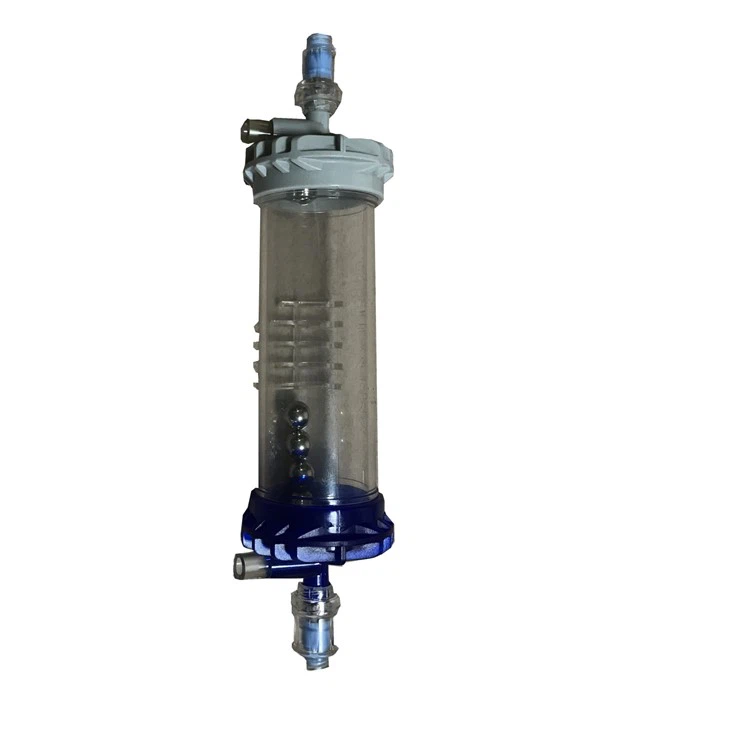
Air Drying Filter Tube Plastic
The air drying filter tube is a plastic tube designed to remove moisture from compressed air systems.. It is a cost-effective solution to prevent water damage and corrosion to equipment, and it improves air quality by removing impurities such as oil and dust.
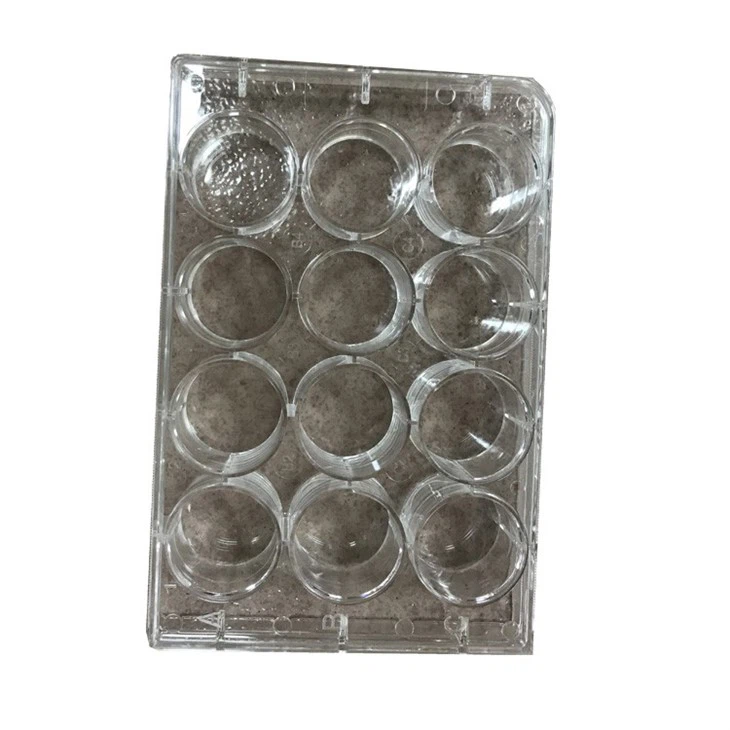
The Plastic Test Tube Rack is a laboratory accessory used for organizing and storing test tubes. It is made of durable plastic material, which ensures its long-lasting performance and ability to withstand harsh laboratory environments.
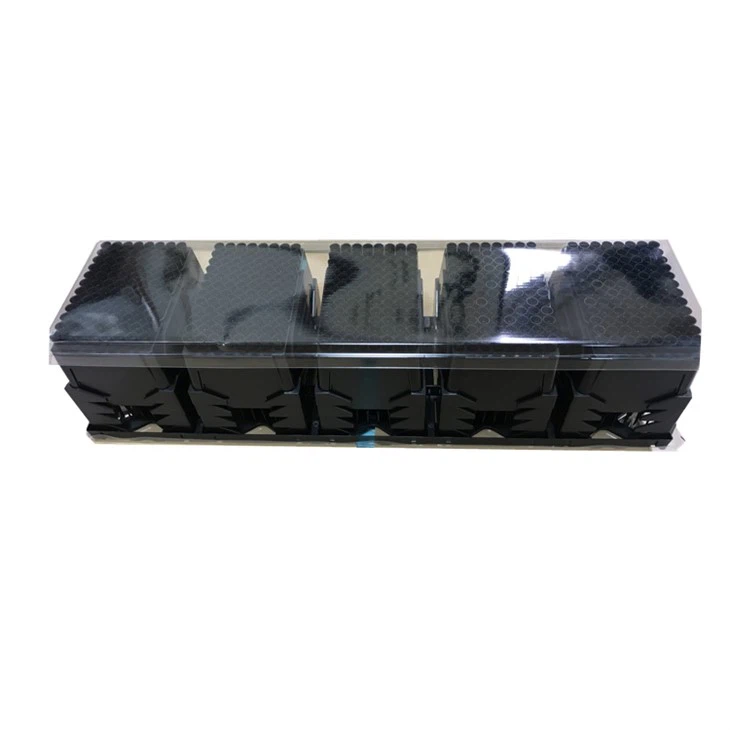
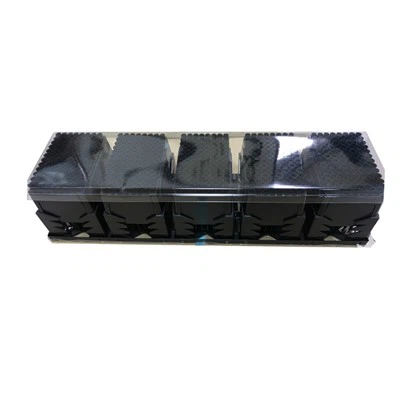
Medical Grade Plastic Pipette Tip Rack
Medical grade plastic pipette tip racks are essential accessories used in various laboratory and medical settings for precise and accurate liquid handling.

A test tube is a cylindrical, transparent glass or plastic tube used in laboratories for holding, mixing, and observing small quantities of liquids or substances.

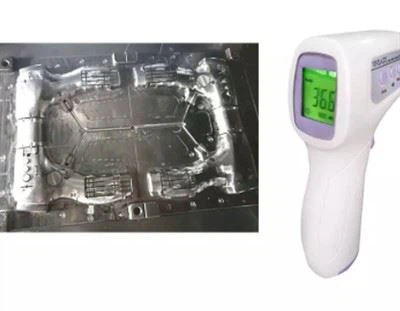
Thermometer Enclosure Plastic Injection Mold
Thermometer Enclosure Plastic Injection Mold is an integral part of the medical industry as it plays a significant role in measuring the body temperature of patients.
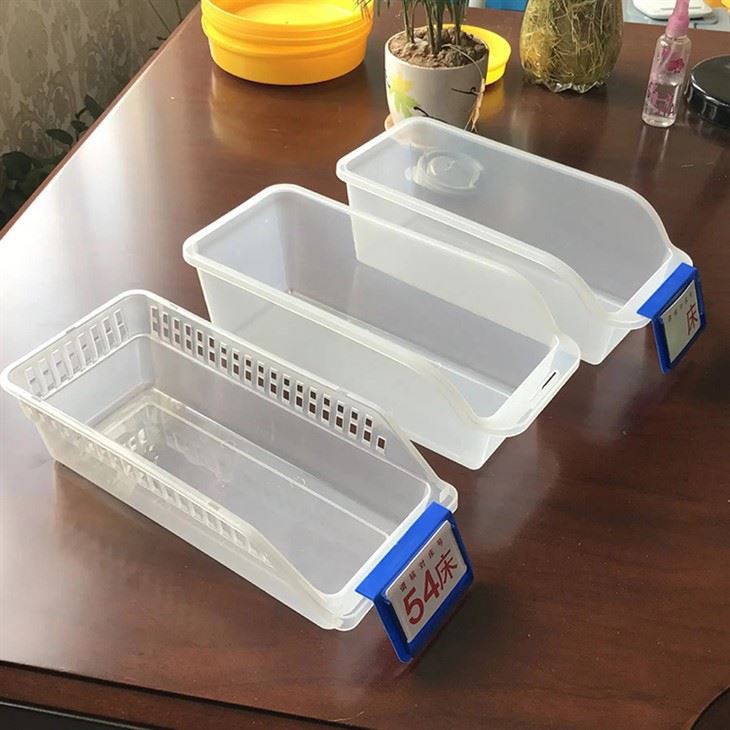
The medical basket is a versatile and essential product used in healthcare settings for various purposes. It is designed to safely and conveniently carry and store medical supplies, instruments, and equipment.
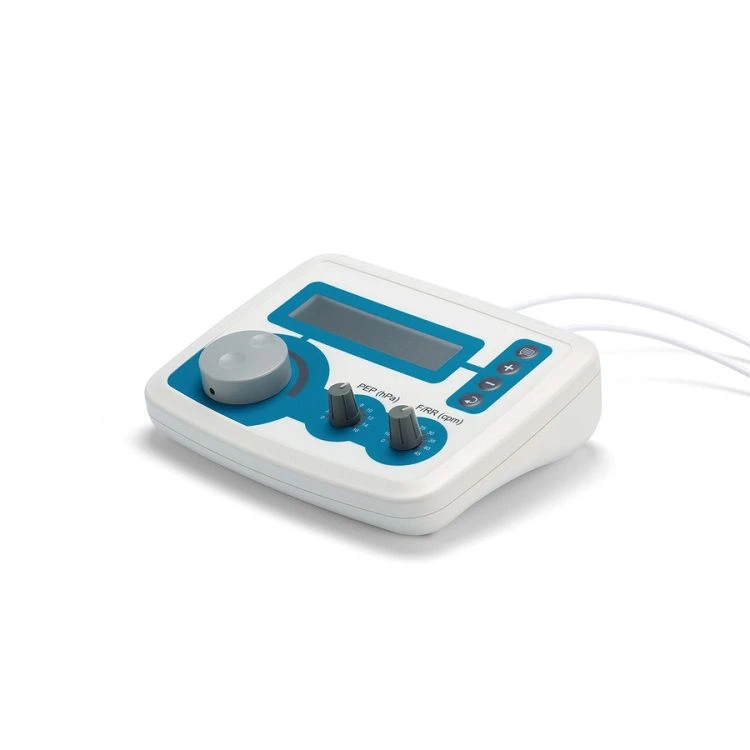
Enclosure Plastic Injection Mold
Enclosure plastic injection mold is widely used in the communication industry due to its versatility and numerous advantages over other manufacturing methods.

Plastic dental tray molds are an essential tool in the field of dentistry for creating customized dental trays. These trays are used to hold dental materials, such as impression materials, during various dental procedures.
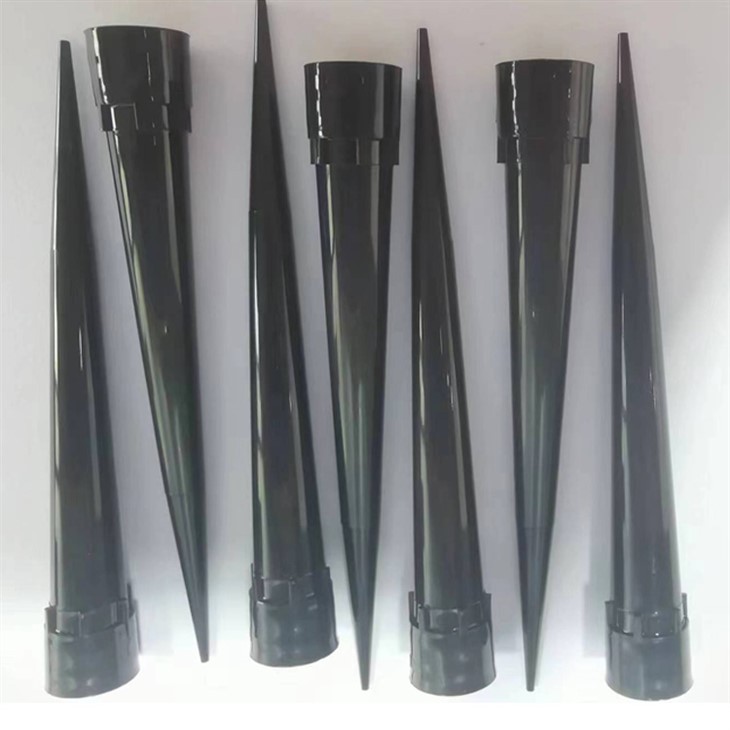
Pipette tips are small, disposable plastic tips that are used in conjunction with pipettes for the precise dispensing of liquids. The pipette tips come in different sizes, from microliters to milliliters, and can be used with a variety of pipettes, including single-channel, multi-channel and robotic pipettes
What is Pipette Tips
Pipette is a metering tool that removes liquid from the original container to another container within a certain range. Pipettes are widely used in clinical laboratories because of their simple structure and they are very easy to use. So, they are essential instruments in biological research, and the number of pipette tipss used in experiments is enormous. pipette tips is used with pipette and pipettor to speed up processing and reduce cross-contamination. Pipettes and tips are widely used in the field of biology, chemistry, and so on.
Pipettes are traditionally equipped with a pipette tips at their lower end. The tip is an important part of the pipette. It is a removable unit designed to collect the sample taken. It can be used for any molecular biology and genetics research application. The molecular bioproducts tips form an effective protective structure between the pipette and the sample, ensuring safe aspiration and dispensing.
Advantages of Pipette Tips
Improved Accuracy
Pipette tipss are designed to provide greater accuracy and precision in liquid handling, ensuring that the exact volume of sample is transferred each time.
Decreased Contamination
Pipette tipss serve as a barrier against contamination from one sample to another, preventing any contamination of samples.
Consistency and Reproducibility
The use of high-quality pipette tipss ensures the same performance and results every time, ensuring consistency and reproducibility.
Ease of Use
Pipette tipss are easy to use, especially when automated systems are used, as they allow for rapid and accurate transfer of liquids.
Types of Pipette Tip
The generation of aerosols inside the pipette tip upon aspiration of the liquid is quite common. This means that the pipette will be contaminated if filter tips are not used to secure the sample. If you fail to apply a filter tip or end up changing the tips in between, not only will it cause aerosol contamination, but will also pollute the next samples.
Some tips are developed with a long shaft for specific lab applications. These were created with a common laboratory mistake in mind that can cause cross-contamination. Some technicians risk contamination by putting the shaft of a pipette attached to a standard tip into the tube to try to reach the bottom. This practice risks contamination, which can be eliminated by the use of pipette tips with an extended length. They are ideal for lab instruments such as deep well blocks and microcentrifuge tubes.
There are two major reasons for the development of short pipette tips. When you are manually pipetting into a multi-channeled, 1536 or 384 well plate, the small tips help to target the smaller wells. Additionally, they allow you to pipette near the bench which reduces the stress on the arm, resulting in improved ergonomics.
These types of tips are designed to retain a lesser amount of liquid, leading to a more precise and consistent stream of results. However, the cost of these tips is higher than others, so it is recommended to use them strictly for specified applications.
A cellular sample should never be forced through the narrow opening of a standard tip. These samples are quite fragile and prone to shearing. Use wide bore tips when handling vulnerable cell samples, including cell lines and violent materials. When the sample is transferred through a wider orifice, it prevents resistance in the flow and shearing of the cellular components.
Application of Pipette Tips
Use the appropriate pipette tips
To ensure better accuracy and precision, it is recommended that the pipetting volume is in the range of 35% to 100% of the pipette tips range.
Installation of pipette tips
For most brands of pipettes, especially multichannel pipettes, installing the pipette tips is not an easy task. To have a good seal, the lower end of the pipette's sleeve needs to be inserted with a pipette tips and tightened by turning it left and right or rocking it back and forth. Some people may tight the tips by repeatedly hitting them into the pipettes, but this operation may lead to deformation of the tips and affect the accuracy, or even damage the pipette.
Angle and depth of pipette tipss immersion
The angle of pipette tips immersion should be in the tilt within 20 degrees and it is better to keep vertical.

Process of Pipette Tips
Material selection
The pipette tipss can be made from materials like polypropylene, polystyrene, or polyethylene. The choice of material depends on the application and the compatibility of the material with the sample.
Injection molding
The chosen material is melted and injected into molds to form the tip shape. The molds are made to precision to ensure that the tips are consistent in size and shape.
Cutting and polishing
After the injection molding process, the excess material is trimmed off, and the tips undergo a polishing process to ensure that the surfaces are smooth and free of any defects.
Quality control
Before the tips are packaged, they are tested for quality and consistency. The tips are checked for their accuracy, precision, and suitability for the intended application.
Packaging and labeling
The tips are packaged in boxes or racks, and each box or rack is labeled with product information like the volume, compatibility, and lot number.
Sterilization
To ensure that the tips are free of any contaminants, they are sterilized using methods like gamma irradiation or ethylene oxide sterilization.
Distribution
The pipette tipss are finally distributed to the end-users, who can use them for their intended applications.
Pipette tipss are accessible in numerous designs and sizes. In any case, there are certain components that are basic and common to all the pipette tipss. These components of pipette tips are:
Plunger: It is mainly used to perform the two functions: Volume adjustment and Liquid aspiration/ dispensing
Tip Ejector: In order to allow the safe, effortless, and quick ejection of tips, pipette tipss are provided with a tip ejector.
Volume Display: This shows the volume of the liquid to be aspirated or dispensed.
Tipcone: The tipcone provides fitment to the tips. A pipette tips with a universal tipcone is recommended because it increases the instrument's compatibility with most of the standard tips.
Gripy: It helps to support and hold the micropipette comfortably.

Pipette tips are so commonly used in the laboratory that it can be easy to take them for granted. Without proper care and maintenance, pipette tipss can become less accurate and even cause sample contamination. The best way to prevent this source of error and frustration is to clean and maintain pipette tipss regularly.
●Daily
Clean the outside of the pipette tips with a lint-free cloth and 70 % ethanol. If a different decontamination solution is used, check that the pipette tips is chemically compatible with it. Perfoming this step daily will help to ensure a spotless workspace.
●Monthly
Perform a leak test and validate the pipetting volumes to make sure that your pipette tips is working as intended. If your pipette tips's accuracy and precision are not within specifications, it needs to be calibrated.
●Yearly
Step 1
Disassemble the pipette tips to clean each component. This can be performed by following the operating instructions for single channel pipette tipss, but multichannel pipette tipss should only be disassembled by trained personnel. To disassemble a single channel pipette tips, disconnect the upper and lower halves of the pipette tips and remove the O-ring and piston.
Step 2
Clean the pieces and remove any clogs in the airways. Check that there are no damaged parts and replace the O-rings of the tip fittings. Let the pipette tips air dry, then grease the piston with an appropriate pipette tips-safe lubricant, as recommended in the pipette tips's operating instructions. Reassemble the pipette tips and perform a leak test and validation of the pipetting volumes.
video
Company Certificate